
Fry Smarter.
Fry Cleaner.
Fry Longer.
A complete guide to getting the best performance from your Sunflower or Palm Olein Oil — reduce waste, cook better, and extend the life of your fryer.




Fry Smarter. Fry Cleaner. Fry Longer.
A complete guide to getting the best performance from your Sunflower or Palm Olein Oil — reduce waste, cook better, and extend the life of your fryer.
A Guide to Frying:

Keep Your Fryer Clean
Clean the fryer daily and rinse well to remove all traces of detergent. A clean fryer prevents flavour contamination and extends oil life.
Pro Tip: Add one tablespoon of lemon juice to the final rinse to remove soap residue.

Avoid Copper or Brass Equipment
Avoid Copper or Brass Equipment
Copper and brass speed up oxidation, damaging oil and shortening its frying life. Always use stainless-steel tools.

Avoid Ice Crystals on Frozen Food
Avoid Ice Crystals on Frozen Food
Ice crystals cause foaming and oil breakdown. Always clear frozen food of excess ice before frying.

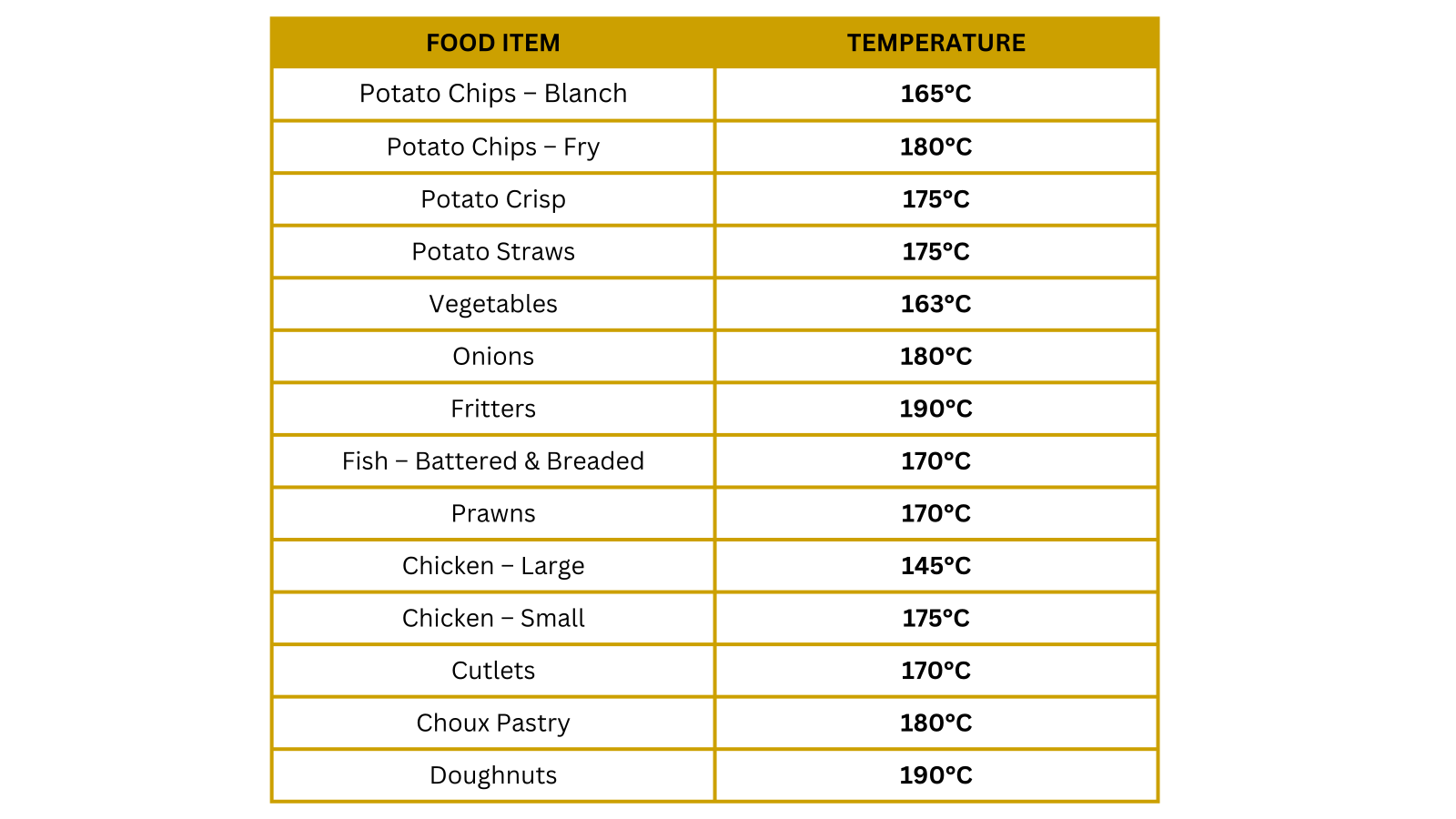
Fry at the Correct Temperature
Heat oil slowly and maintain the recommended temperature. Oil that’s too hot burns quickly — too cold and food absorbs excess oil.
Pro Tip: See the temperature chart below for ideal frying temperatures.

Fry in Small Portions
Fry in Small Portions
Small, consistent batches ensure even frying and prevent temperature drops.

Correct Food-to-Oil Ratio
A good ratio is 1 part food to 6 parts oil. Top up with fresh oil regularly to extend oil life.

Skim Frequently
Remove leftover particles to prevent burning. Filter the oil daily while warm (not hot).

Avoid Salting Over the Fryer
Salt accelerates oil breakdown. Always salt food away from the fryer.
FAQ
How often should I change my frying oil?
When the oil becomes dark, foams excessively, smells burnt, or affects flavour.
What temperature is best for frying?
Between 160°C–190°C depending on the food type (see chart above).
Can i mix oils?
No — mixing oils can cause unpredictable frying results and shorten oil life.
Why Proper Frying Matters
Frying is both a science and an art. When done correctly, it improves taste, texture, and oil lifespan — helping restaurants reduce costs and achieve consistently great results.
This guide shares essential tips to help you maximise your oil and maintain top-quality frying every day.
Oil Colour Chart
Contact Info
Quick Links
Services
Social Media


© 2025 Cuisine Foods. All rights reserved.